6 min read
Lived-In Color Technique: Creating Effortless, Low-Maintenance Dimension That Grows Out Beautifully
What changes when your color is built around the grow-out instead of against it
Most color grows out on a schedule that has nothing to do with your life. Weeks after your appointment, a harsh line of growth comes in, usually dictating when you need to get back to the salon. The lived-in color technique works the other way around. It builds effortless dimension through the mid-lengths and ends while leaving the root soft enough to blend as it grows, which is what makes it a genuinely low-maintenance color choice rather than one that only looks easy in photographs. Guests at Mane Street Georgetown ask for it by a dozen different names. What they are describing is almost always the same thing: color that still reads as intentional four months later.

What the Lived-In Color Technique Changes at the Root
Traditional foil work starts high, close to the scalp. Foils give a colorist control and reach, and for gray coverage or a true platinum they remain the right call. The trade-off is a hard edge. When new growth arrives, the contrast sits in a straight line across your part.
The lived-in color technique treats that line as something to design out from the beginning. Placement starts lower down the strand, and the root is either left alone or softened on purpose with a root smudge or root softening after lightening. The result is a shadow at the scalp that your own regrowth blends into instead of interrupting.
That single decision is what turns new growth into depth. Six weeks later the root reads as the darkest point in a gradient rather than as evidence that you are overdue. Our Washington DC hair salon builds most dimensional work around that idea, since guests have busy schedules, might drive a longer distance, or have a more difficult schedule to routinely be in the salon every 6 weeks.
How Placement Creates Effortless Dimension
The lived-in color technique is a category, not a single formula. Dimension is contrast, and contrast only reads as natural when it lands where light already falls. Mane Street Georgetown's master colorists build that map before anything is mixed, working out where your hair parts, how it falls when you stop touching it, and which sections you see in the mirror.
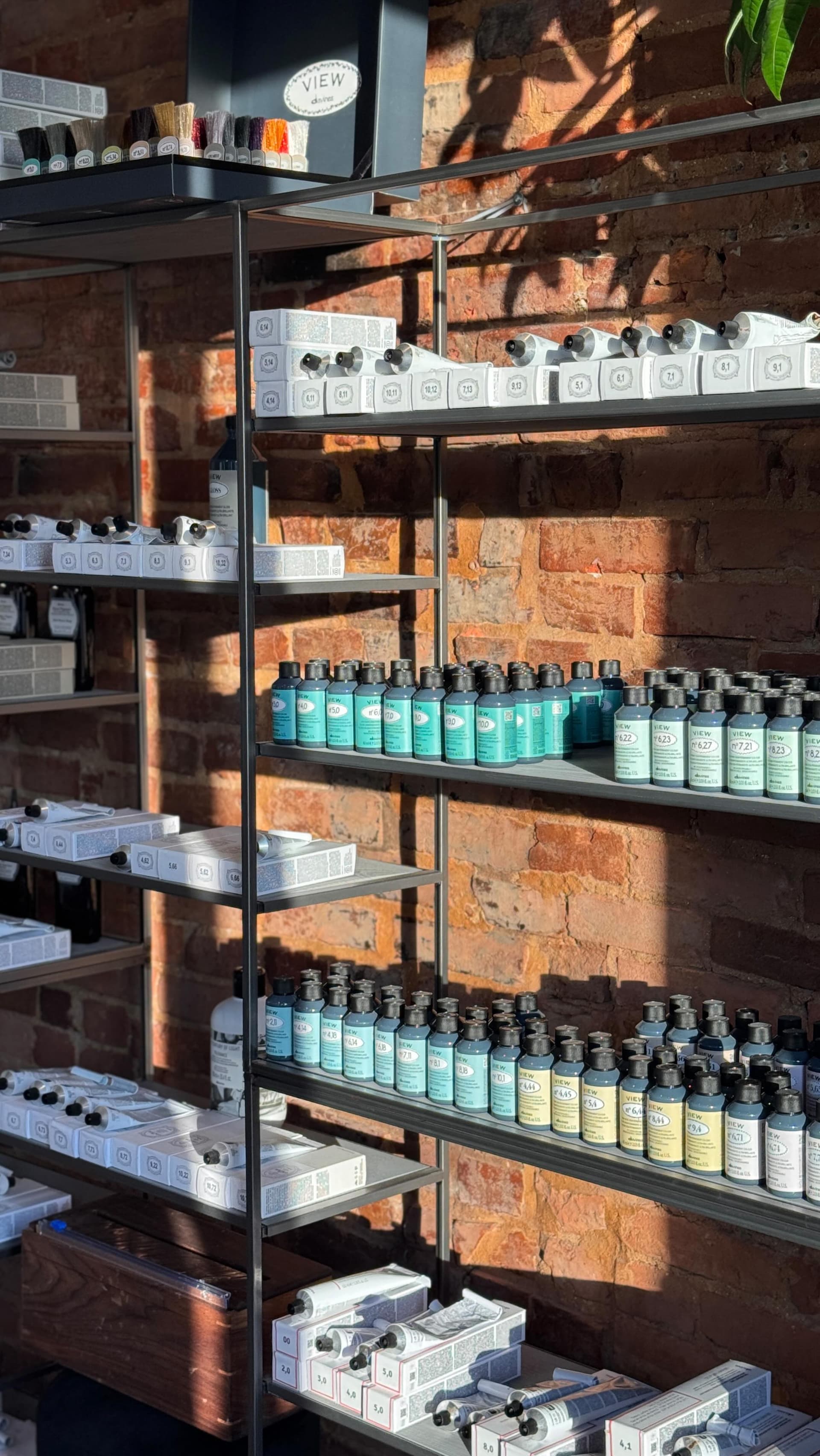
Technique gets chosen after that. Teasylights blur the transition between lightened and natural pieces. Hand-painted balayage puts brightness on the surface where the sun would have put it. Foilayage combines the two when hair needs more lift than open-air painting can give it. Our standards as a Davines Concept Salon decide which lines those techniques run on, which matters most when a guest wants soft lift instead of maximum lift. Each one produces effortless dimension differently, and the right answer depends on your base and texture, not on what is trending.
Tone matters as much as placement. A gloss at the end of the service ties the brightest pieces back to the base so nothing separates into stripes. A luxury blowout with our styling team shows where the dimension sits, since heat and tension decide which pieces come to the surface. Effortless dimension that skips the toning step tends to come apart within a few weeks.

Whether the Lived-In Color Technique Fits Your Hair History
Honest answer: not every head of hair arrives ready for it. Years of box color leaves bands that lighten unevenly, and a very dark natural base may need more than one session before the ends reach a shade that still looks like you. Curly and coily hair changes the math again, because placement has to follow the curl pattern rather than a flat section.
Our Georgetown hair color consultation exists for exactly this. Your colorist reads what is already on your hair, asks how you wear it and how often you are willing to be back in the chair, then tells you plainly whether the lived-in color technique gets you there in one visit or three. If the answer is three, you hear it before anything is mixed, not after.
What Low-Maintenance Color Actually Asks of You
Low-maintenance color is not no-maintenance color, and guests deserve the real number. You trade frequent root retouches for twelve to sixteen weeks between full services, depending on how much lift lives in the ends.
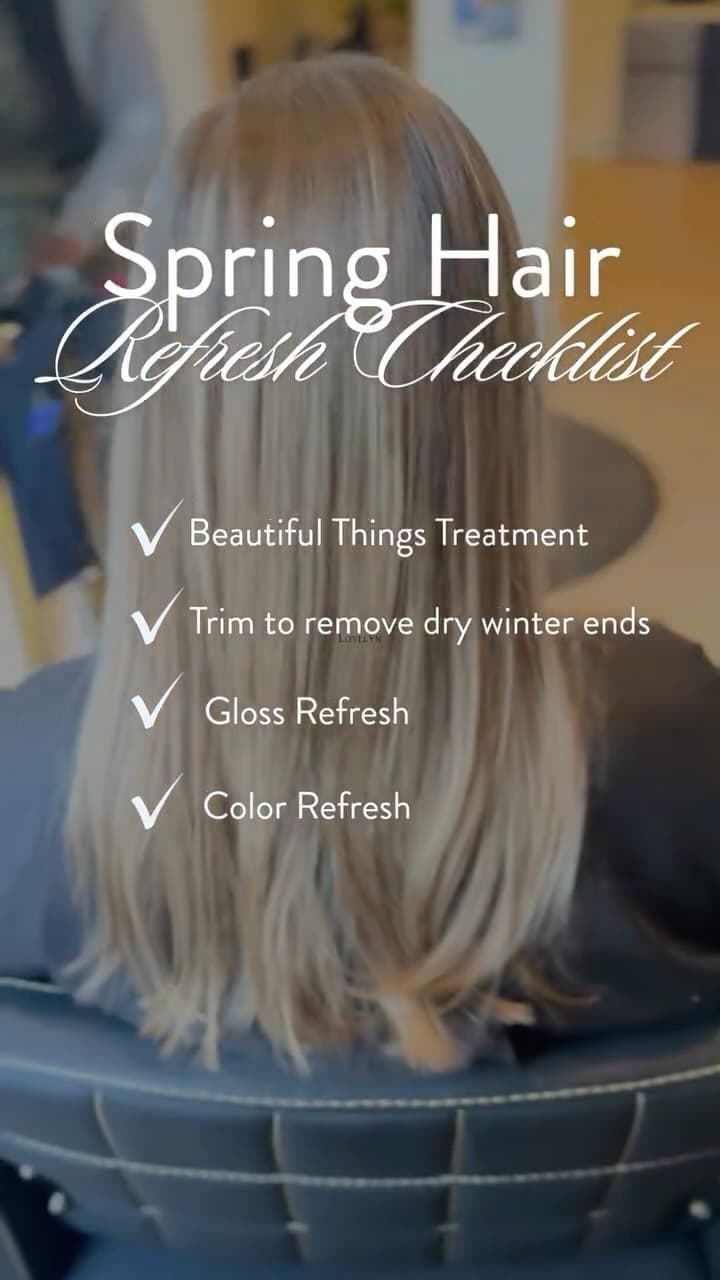
What fills that gap is tone, since warmth returns as color oxidizes and daily heat styling speeds it along. A demi-permanent color gloss with us refreshes tone and shine in under an hour, and it is what keeps low-maintenance color looking deliberate in month three instead of merely faded.
The cut carries weight too. The tailored haircuts our stylists build in Georgetown remove bulk from the places where grown-out color collects and goes flat, which keeps the gradient moving down the strand.

Questions Guests Ask Before Their First Reservation
How far ahead of an event should I make a reservation?
If it’s your first time at our salon, we recommend two to three weeks. Fresh color settles, and a gloss placed days before a wedding leaves no room to adjust the tone.
Does this work if I wear my hair up most days?
Yes, with a different map. Brightness that looks beautiful with your hair down can disappear in a ponytail. Tell your colorist how you wear it and placement shifts toward the sections that stay visible.
Can hair extensions be matched to it?
Our hand-tied and K-tip hair extensions get matched to the finished multi-tonal result rather than one swatch, which takes more care than matching a solid shade. Raise it during your consultation so tone and density get planned together rather than corrected later.
Make a Reservation
If your color has been setting your calendar instead of the other way around, call Mane Street Georgetown at (202) 769-1508 to make a reservation. Look through recent work at @manestgtown on Instagram and tell us what caught your eye. Come in with your hair the way you actually wear it, inspiration photos, and we will build from there.
Related Blogs

6 min read
Finding Your Place in the Salon Industry: Which Role Fits Your Strengths, Goals, and Experience Level
LEARN MORE
5 min read
Ammonia Free Hair Color in Georgetown: How Davines Delivers Vibrant Results Without Harsh Chemicals
LEARN MORE
5 min read
Stylist Jobs in Georgetown for Experienced Stylists Ready to Lead
LEARN MORE